Caucasus Circuit Planning Example for Operators

A strong Caucasus circuit planning example is not simply a list of capital cities and scenic stops. For a tour operator, it is a product-design exercise: balancing airport access, driving times, hotel standards, guide handovers, border-day timing, and the pace expected by the intended market. When these elements are planned as one operating system, Azerbaijan and Georgia become a highly sellable multi-country program rather than two disconnected land arrangements.
For many outbound partners, the most practical starting point is an 8-night, 9-day Azerbaijan-Georgia circuit. It provides enough time to present Baku, Absheron heritage, the northwestern mountain corridor, and Tbilisi with substance, while avoiding a rushed itinerary that leaves little margin for service recovery or optional enhancements.
Why a Caucasus Circuit Works as a Trade Product
A Caucasus circuit gives agencies a clear answer to a common client request: a culturally rich, multi-country journey with modern cities, heritage landscapes, mountain scenery, and distinctive regional cuisine in one itinerary. Azerbaijan supplies the polished urban contrast of Baku and the natural routes of Gabala, Shamakhi, and the Greater Caucasus foothills. Georgia adds a complementary city and wine-country proposition, depending on the final routing and partner arrangements.
The commercial value lies in product flexibility. A well-built core itinerary can be adapted for FIT travelers, leisure groups, special-interest departures, and incentive programs. The same operating framework can support premium hotel upgrades, lighter cultural content for shorter stays, or a more scenic pace for groups that prioritize regional landscapes over museum visits.
The operational caution is equally clear: multi-country programs require defined responsibility. Agencies should work with one lead ground handler for the Azerbaijan portion and a coordinated receiving partner for the onward country program. This avoids gaps in transfer ownership, guide briefing, rooming-list changes, emergency contacts, and service vouchers at the handover point.
Caucasus Circuit Planning Example: 9 Days, 8 Nights
This sample is designed as a westbound circuit, arriving in Baku and departing from Tbilisi. Open-jaw air arrangements reduce unnecessary backtracking and make the program easier to position for international markets. Final routing should always be matched to flight schedules, group size, hotel availability, and the client’s preferred balance of city touring and regional overnights.
Day 1: Arrival in Baku
Meet guests at Heydar Aliyev International Airport and transfer them to a centrally located Baku hotel. For late-night arrivals, keep the first day intentionally light. The priority is a clean airport meet-and-greet, accurate rooming allocation, and a clear welcome briefing covering the following day’s departure time, guide contact, and practical program expectations.
For groups, this is also the right point to confirm luggage handling, meal timing, and any VIP or accessibility requirements. A first-night welcome dinner can work well when arrivals are concentrated, but it should not be forced where flight timings create uneven participation.
Day 2: Baku City and Absheron Heritage
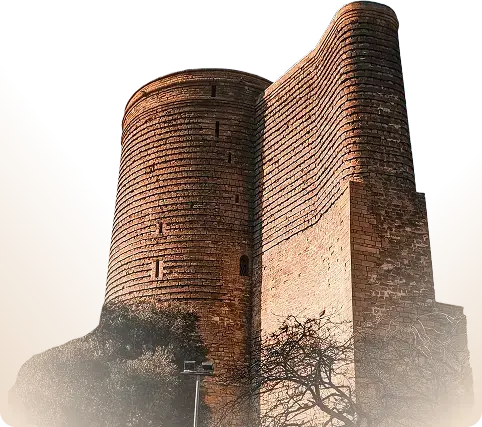
Begin with a structured Baku city program combining the historic core with the city’s contemporary architecture and Caspian-facing boulevards. The route should be sequenced by traffic patterns and opening times rather than by a rigid sightseeing checklist. This protects the guest experience and limits unproductive coach time.
An afternoon Absheron extension can include the Ateshgah heritage complex and Yanar Dag, positioned as cultural and natural points of interest. This creates a full-day program without needing a hotel change. Operators can retain flexibility by offering the Absheron visit as an included group feature or an FIT add-on, depending on package positioning.
Day 3: Gobustan, Mud Volcanoes, and Baku
Gobustan is a natural fit for the third day because it adds a markedly different experience to the Baku stay. The archaeological landscape, rock-art setting, and mud volcano area provide visual contrast after an urban program. Vehicle selection matters here: access conditions and group size should determine whether the final approach uses suitable local vehicles in addition to the main coach.
Return to Baku for a second night. Keeping the hotel unchanged improves guest comfort and reduces porterage, while giving the operating team a buffer before the regional sector begins.
Day 4: Baku to Shamakhi and Gabala
The program moves northwest through Shamakhi toward Gabala, turning the transfer into a sightseeing day rather than a long relocation. The route can include a heritage stop in Shamakhi, followed by scenic breaks selected around the group’s pace and meal plan.
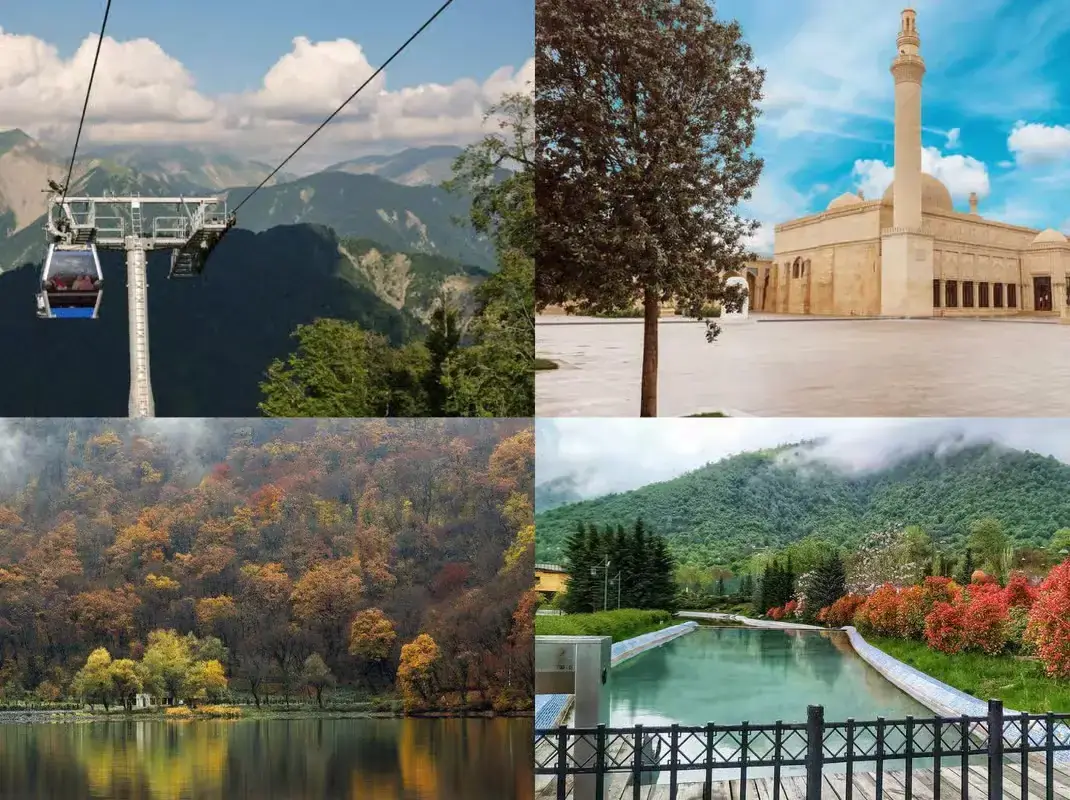
Gabala works particularly well as a regional overnight because it supports mountain-oriented activities, resort-style accommodation, and easy access to Nohur Lake. For incentives, the area can also accommodate private dining concepts, outdoor team activities, and a more relaxed rhythm after the city component. The exact hotel choice should be driven by the group’s service expectations, meal requirements, and room-type mix, not by a generic star-rating comparison alone.
Day 5: Gabala, Nohur Lake, and Mountain Experiences
Use this day to show the natural side of Azerbaijan. A typical program can combine Nohur Lake with a mountain lift or resort-area experience, subject to season and operational schedules. The aim is not to fill every hour. Guests respond better to a circuit that allows time for views, photography, refreshments, and a paced lunch than one overloaded with brief stops.
This is also a useful day for segmentation. Leisure groups may prefer a complete scenic route, while incentive groups may need a branded activity, a private venue, or free time built around their event schedule. FIT programs can be customized with private transport and guides while preserving the same route logic.
Day 6: Gabala to Sheki
Continue to Sheki, one of the strongest heritage overnights in an Azerbaijan circuit. Its historic character shifts the program again, creating a valuable contrast with Baku’s contemporary profile and Gabala’s nature-led experience. The Khan’s Palace area and traditional craft elements can be planned as a focused cultural visit rather than an overextended day of minor stops.
Sheki is best treated as an overnight rather than a quick excursion. This allows agencies to sell an authentic regional progression and lets guests experience the destination at a more natural pace. It also improves the onward operating sequence toward the Georgia sector.
Day 7: Sheki to Georgia and Tbilisi
This is the circuit’s most operationally sensitive day. A successful cross-border transfer depends on realistic coach timing, correctly prepared passenger documentation, vehicle coordination, guide handover procedures, and a clear contingency plan. Agencies should avoid publishing overly precise arrival promises for this sector. Border processing is outside the control of any DMC, so the itinerary should carry sufficient time flexibility.
The lead Azerbaijan ground operator should complete the departure-side service cleanly: hotel checkout, luggage control, vehicle readiness, passenger count, and a confirmed handover protocol. The receiving Georgia partner then assumes responsibility according to an agreed operational schedule. From the guest perspective, the transition should feel organized, even if it is deliberately paced.
After arrival in Tbilisi, a light orientation drive or dinner is usually more appropriate than a full sightseeing schedule. Protecting the arrival experience is better than trying to recover every unused hour from the transfer day.
Days 8 and 9: Tbilisi Program and Departure
The final full day can focus on Tbilisi’s old-town atmosphere, panoramic viewpoints, and selected cultural sites, with optional regional touring added only when flight timings allow. Departure transfers should be scheduled with the same discipline as the Baku arrival: confirmed pickup times, hotel coordination, luggage capacity, and a final passenger check.
How to Adapt the Circuit for Different Business Models
The best Caucasus circuit is rarely identical across source markets. A Gulf-based operator may require later starts, family room configurations, and private dining arrangements. A European cultural operator may request more walking time, specialist guides, and regional boutique hotels. MICE planners may prioritize gala venues, conference infrastructure, coach movements, and branded experiences over a conventional sightseeing flow.
For this reason, the itinerary should be sold as a controlled framework, not an inflexible package. Keep the route structure stable, then tailor hotel category, meal plan, guide language, activity intensity, and optional inclusions. This approach protects quotation speed without compromising the quality of the final proposal.
Operational Details That Protect the Partner’s Brand
A circuit can look compelling on paper and still fail if the ground execution is fragmented. Before confirming a program, establish the arrival and departure airports, passenger profile, guide languages, baggage assumptions, rooming format, dietary needs, vehicle requirements, and the ownership of every transfer. For groups, clarify tour-leader provisions, FOC policy requirements, coach access at each hotel, and the timing of all included meals.
Hotel contracting deserves early attention. Multi-city programs can be affected by peak dates, room-category availability, and minimum-stay conditions, especially when regional properties have limited inventory. Asking for alternatives at quotation stage is often more useful than requesting one named hotel and receiving a late availability issue.
Brilliant Travel can manage the Azerbaijan ground-handling component through one accountable operational contact, from Baku airport arrival through regional touring and the agreed onward handover. For agencies, that means fewer supplier conversations and clearer ownership of guest service while the Azerbaijan program is in operation.
The most successful circuit proposal gives your sales team a story they can sell and your operations team a schedule they can deliver. Start with the client’s flight pattern and traveler profile, then build the route around realistic movement, meaningful overnight stops, and responsible handovers. That is where a Caucasus circuit becomes a repeatable product rather than a one-off itinerary.